
The Worst Goodbyes: Part 1
Nov 7, 2022.
Feb 16, 2019.
June 10, 2018.
I might not always remember the dates correctly, but I will never forget the feelings.
These dates mark the passing of my three favourite guinea pig companions.

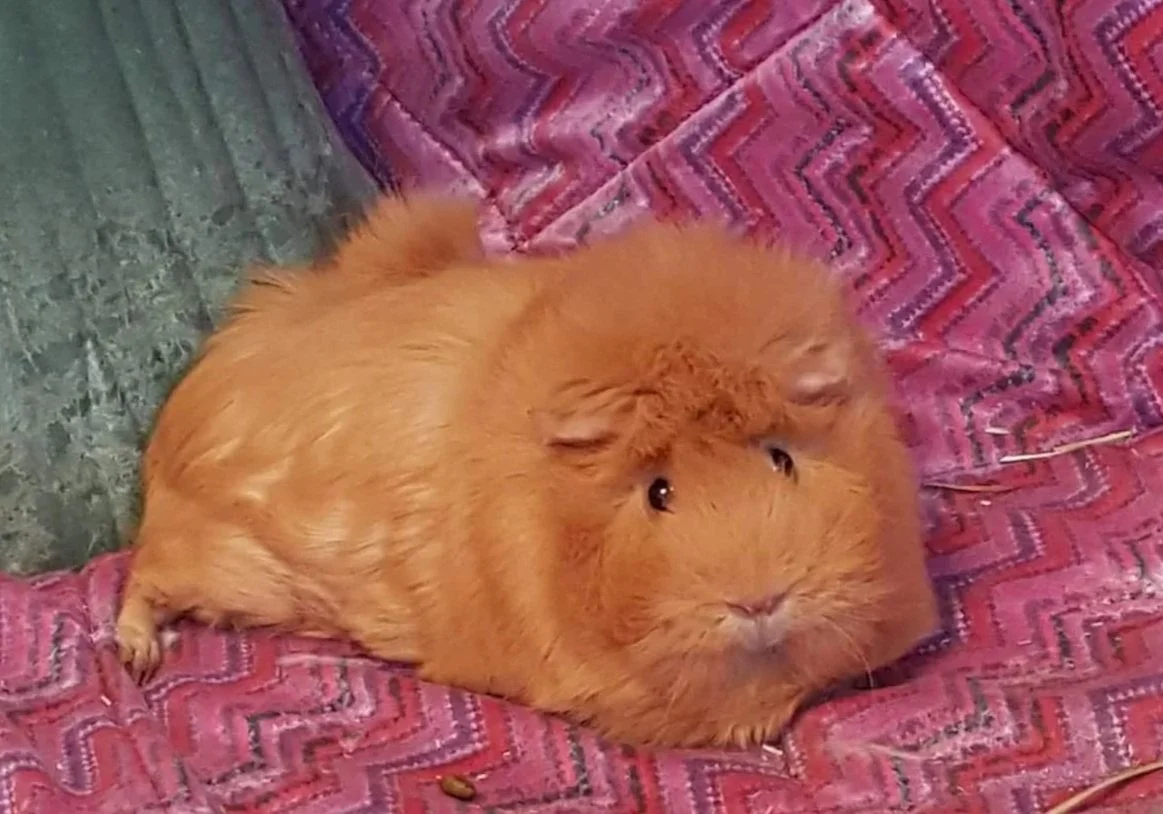

Skittles and Penelope never shared life and space within our home, but they were linked through their place of adoption and many other things that made them truly wonderful additions to our family. Much to Peanut's dismay, she was a sassy introverted pig that was forced to share parts of her life with both of them (*insert big laugh*).


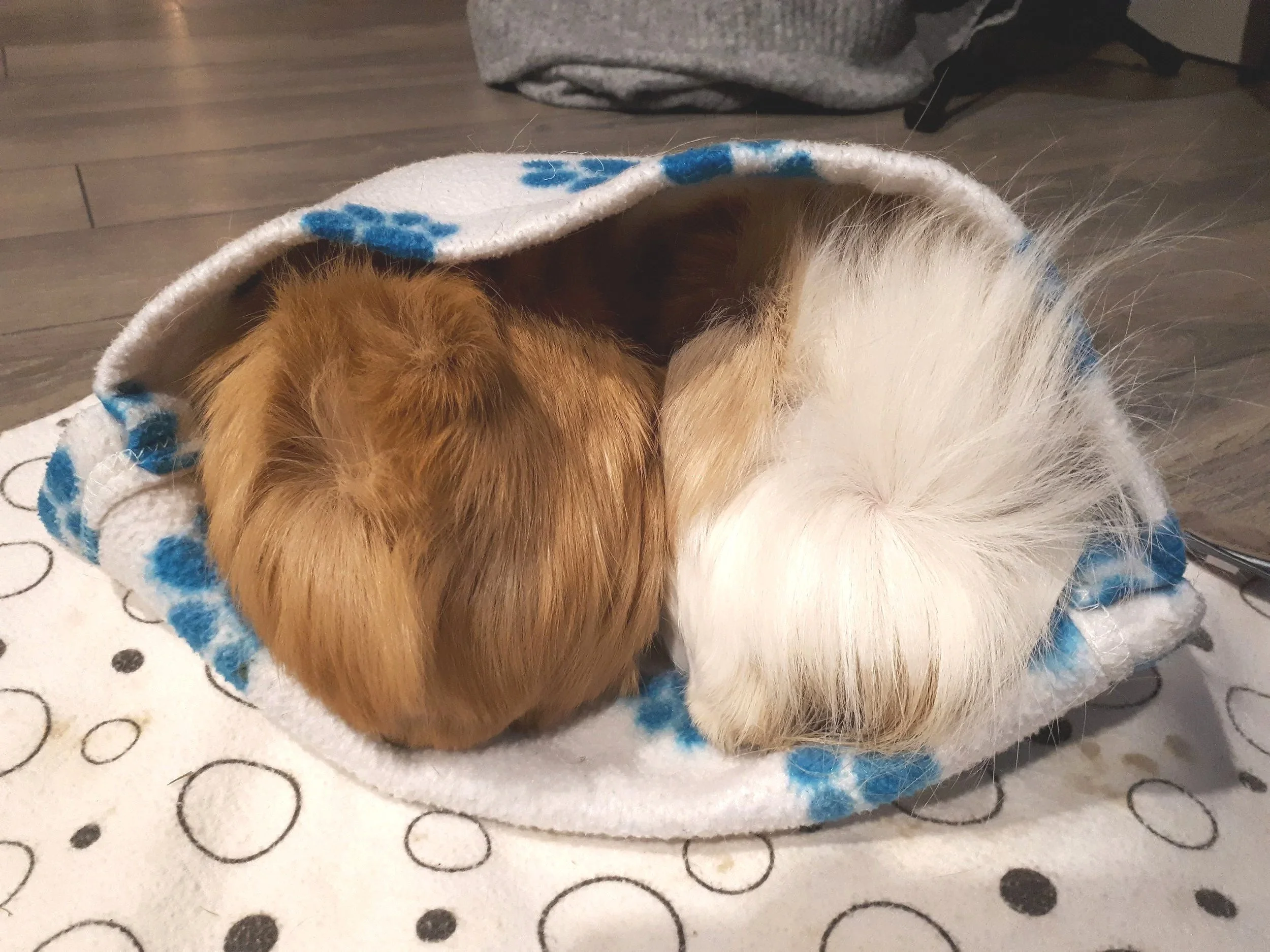

Today, I'm sharing my story of losing Skittles. In time, the stories of Peanut and Penelope will follow.
Note to readers: This story includes the difficult themes of unexpected diagnosis, anticipatory grief, and euthanasia.
I can remember the day I realized Skittles had become palliative within no recovery. We visited our veterinary team after I noticed a reduction in appetite and wondered if she needed some dental attention. Unfortunately, circumstances at the vet led to worsening symptoms through no fault of our veterinary team. This wasn't the day of her passing, but it was the day my deep sorrow began. I could feel it in her body condition, her spine, her pelvis; I could see it within her dulling spirit and hazy eyes; and I explicitly noticed it in her behaviour, which indicated lots less tolerance for cuddles, and much more tolerance for biting.
As I think back on our final days together, I feel the unrelenting pain again - the lump in my throat, the heaviness in my chest, the tension in my jaw. And I am finally seeing with some clarity the pain she was probably in. After all, she was about 6.5 years old, with her true age unknown. This is a well-lived age for a guinea pig.
The circumstances of my life at this time were demanding. I was a Masters student working multiple jobs, and was not recognizing the condition of one of my companions. Within my capacity, her care became my utter priority, and I still fell short.
There were days when I would greet her in the morning, and find her too weak to move from under the water bottle. Her body would be chilled and her head wet. So, we would start the warm up and feeding routine. She would perk up and carry on with old pig living, scuttling about, eating, and vocalizing as best she could. This was our routine for awhile.
Our final day together was the worst day, and the first day of a new, broken version of me. When I saw her that morning, I knew it somewhere deep inside that it was her last day earthside, even if I was not able to say it out loud. Worse yet, we had family staying with us and other commitments, so my already weakened attention felt split. There was a bit of hope - what if she turns around?, but also still this sense of excruciating pain about the reality staring me straight in the face.
It was a Sunday. Our regular vet wasn't open, so the local 24-hr emergency clinic was our only option.
And this is where it truly got worse. We made the decision to bundle her up as comfy as possible and take her to the emergency clinic at around 10 PM that night. This is not what I wanted for her, but I couldn't allow her to continue feeling until morning - her body was failing, and had been failing for too long already.
Part of what you need to know about me is that I had strongly established relationships with my veterinarian and support team, who were past colleagues and friends, and the care was always transparent. Unfortunately for me, I did not have this rapport or access privilege with the emergency veterinary team. I recognize that this is what many pet guardians experience.
The time at the emergency hospital felt a bit timeless, if that makes sense. The rest of my life stopped as my spouse and I sat there, waiting for what comes next. If you are familiar with small critter care, euthanasia procedures are different than in most cat and dog situations. Commonly, they are anaesthetized via a carbon dioxide inhalation followed by a lethal injection, which pet guardians are often not invited to attend. Again, this is where my heart broke, knowing that I couldn't be present to see her off. If we were with my routine veterinary team, I would have begged to be present and I am sure they would have allowed it. This was not the case at the emergency hospital, so I asked to stay in the room I received word that she had passed.
When the notification came, I quickly gathered up her stuff and walked out the vehicle, small sobs growing louder. As we were leaving the parking lot, this immense feeling of abandonment hit me. I deeply felt the reality that I had left Skittles with an unknown veterinary team and then driven away after they notified me of her passing. But what if she was still alive? What if she was still feeling? What is she was no long wrapped up in her cozy blankets, and her body hurt from the cold and hard surfaces? What if she was searching for me? I assume none of this to be true, but that does not invalidate the experience of that moment for me. It's been seven years and I am still deeply and emotionally impacted by this experiential memory.
The days and week following were numb. I had commitments and responsibilities, but was not able to follow through. Part of this included a project for my MSc work. Time passed and work was not getting done. I needed some more time to grieve before stepping back into my life, so instead of putting my energy into the paper, I put my energy into building a letter and case for a project extension. The application was thorough - a detailed personal experience of my loss and grief, a letter from two members of my support network, and a letter from my veterinarian. I remember thinking, "they have to accept this right? They cannot possibly tell me that my loss is not significant enough to not warrant an extension, right?". And this feeling sits with me today.
Now, I deeply recognize the disenfranchisement that pet loss is. Historically invalidated as a lesser loss, not worthy of lengthy bereavement time and grief. I experienced it too and now advocate for a better experience for others, because what we don't need is the weight of judgement that comes after. We are already hurting enough.
I share this story to acknowledge that we all have deeply personal and complex stories of loss, and I hope something in my experience helps to validate or heal a small part of you.
Brenn Clark, MSc (she/her)
Founder & Support Practitioner, Compassionate Creatures
